Agnès Costa, the sister carrying Fragonard to its centenary
With Françoise and Anne, she runs the Grasse perfume house founded by her great-grandfather in 1926. Fragonard is marking its hundredth year with an exhibition at the Monnaie de Paris, opening on 13 November.
In a few days, bottles from Grasse will move into the Quai de Conti. For its centenary, Fragonard is taking over the Monnaie de Paris with an exhibition combining perfumes, paintings and costumes, from 13 November to 10 January. It is the high point of an anniversary year the Grasse house has shaped in its own image: family-run, cultural and deeply Provençal.
Behind the brand are three sisters. Agnès, Françoise and Anne Costa run the house together, as La Poste noted in February when it issued a stamp for the centenary. Agnès and Françoise took over from their father, Jean-François Costa. They are the founder’s great-granddaughters.
Yet nothing destined Agnès Costa for perfumery. She studied law, philosophy and English in Paris before joining the company in her early twenties. “I never grew up thinking I would one day take over the family business,” she told Monaco Tribune in 2021.
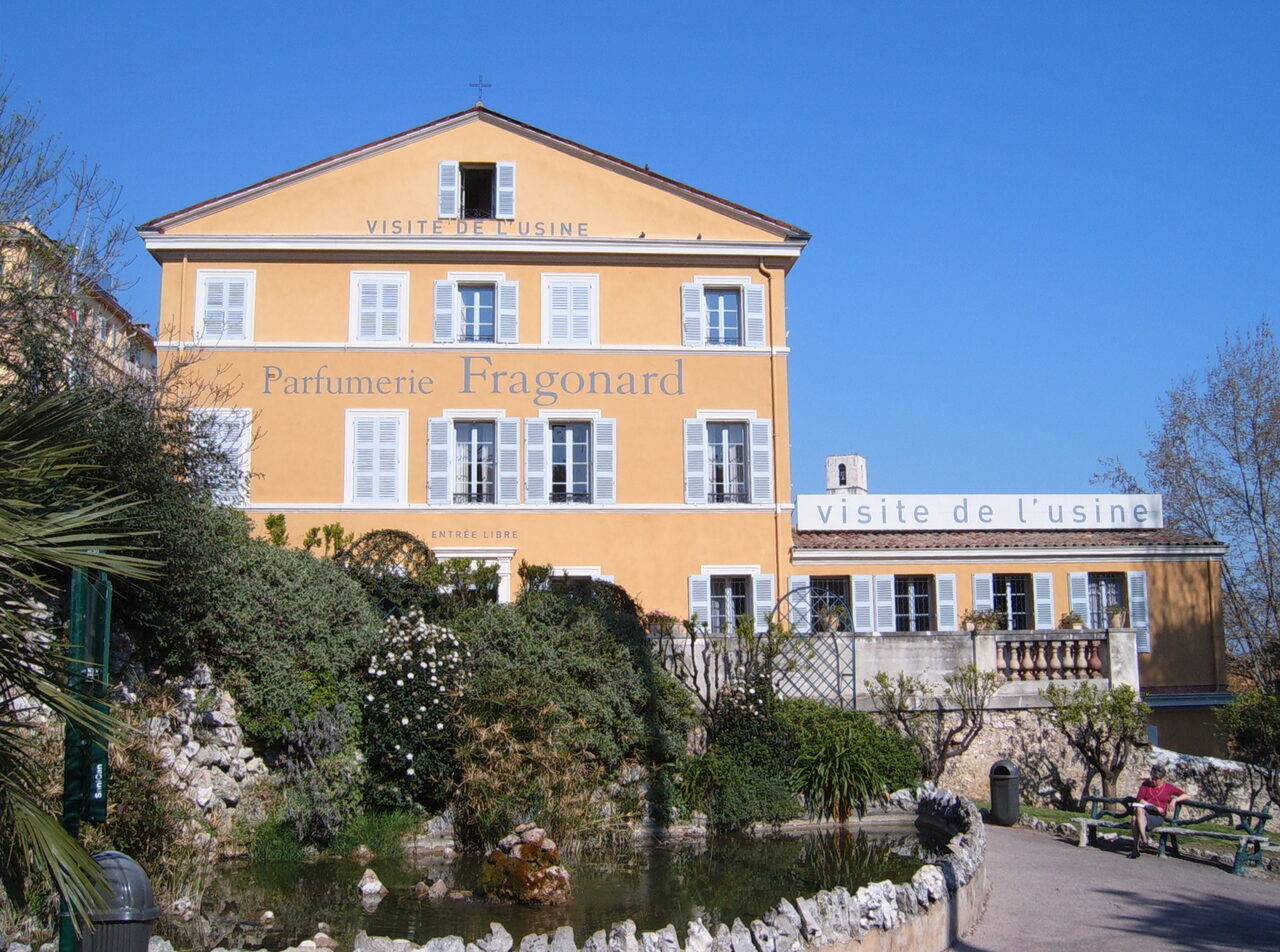
The story begins in 1926, when Eugène Fuchs bought a small perfumery in Grasse housed in an 18th-century former tannery and named it after the Grasse-born painter Jean-Honoré Fragonard. A few years later he handed the business to his son Georges and his son-in-law, François Costa. The historic factory still houses the company.
The family has made culture a pillar of the business. In 1997 Hélène Costa, the three sisters' mother, founded the Musée provençal du costume et du bijou in Grasse. The sisters have continued building collections, going as far as opening a fashion and costume museum in Arles. In March 2025 the art historian Philippe Costamagna became director of the perfumer’s museums.
The model rests on an integrated network, from production to retail. Fragonard has three factories, six museums and twenty-five shops, according to Centre Inffo. The house keeps opening new outlets, such as in Nîmes in June 2025. It does not publish consolidated sales; its Grasse companies file separate accounts.
The centenary year has been punctuated by tributes. After the La Poste stamp, the Musée Jean-Honoré Fragonard in Grasse hosted the exhibition “Fragonard, l’enfant chéri de Grasse” (Fragonard, Grasse’s beloved son) from June to October, devoted to the painter who gave the house its name.
The centenary has its flip side, though. With so many museums, exhibitions and tributes, a house can end up living off its past. The heritage story is also a sales pitch, and the question is whether it will be enough to win over a younger clientele less taken with traditional bottles. The family’s financial discretion, with no consolidated figures published, also makes it impossible to gauge the company’s real health.
A hundred years after Eugène Fuchs’s purchase, Fragonard is still in the hands of the founding family. The three sisters nurture that independence by relying on what cannot be copied: a place, a history and a name.
Sources
- Fragonard marks its centennial with an exhibition at the Monnaie de Paris (Sortir à Paris)
- La Poste celebrates the centenary of Fragonard (Groupe La Poste)
- Agnès Costa, the woman behind one of the oldest perfumeries in France (Monaco Tribune)
- Philippe Costamagna prend la tête des musées du parfumeur Fragonard (The Art Newspaper France)
- Fragonard, comme un parfum d'innovation (Centre Inffo)
- Nîmes : une boutique Fragonard ouvre ses portes en centre-ville (Objectif Gard)
- Une histoire de famille (Fragonard)